
Portable Heater Buying Guide for Comfortable Winters
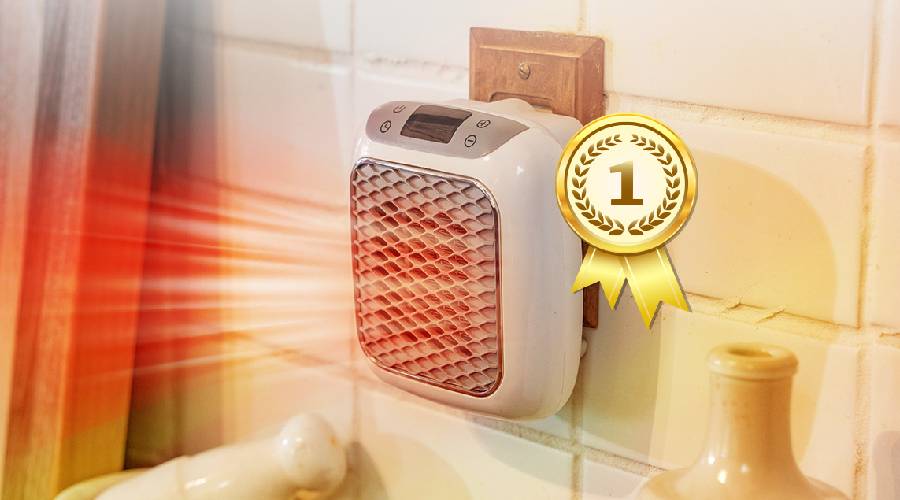
A portable heater can be a convenient solution for maintaining a comfortable indoor temperature during colder weather. Unlike fixed heating systems, portable models can generally be moved between suitable rooms as needed. They can be useful in bedrooms, living spaces, home offices, and other areas where additional warmth is required. Before purchasing a portable heater, consider the size of the room where it will be used. Different heaters are designed to provide different levels of heat, so selecting a model appropriate for the intended space can help provide more consistent comfort. A heater that is too small may struggle to warm a larger room effectively.
Heating technology is another factor worth considering. Portable heaters are available in different types, including ceramic, fan-based, infrared, and oil-filled models. Each type has different operating characteristics, so shoppers should compare heating performance, warm-up time, noise levels, and intended usage before making a decision. Temperature control can make a portable heater more convenient for everyday use. Models with adjustable temperature settings, multiple heat levels, or thermostatic controls allow users to manage warmth according to changing conditions. These features can also make it easier to maintain a comfortable indoor environment.
Safety features should be an important part of the buying decision. Look for features such as overheat protection, automatic shut-off, and tip-over protection where available. Always place the heater on a stable, level surface and follow the manufacturer's instructions regarding clearance from curtains, furniture, bedding, and other materials. Energy consumption is also worth checking before purchasing a heater. Comparing the heater's power rating and expected usage can help users understand how much electricity it may consume. Using the heater only when necessary and selecting an appropriate heat setting can help avoid unnecessary energy use.
Portability and design can make a noticeable difference in everyday use. A lightweight heater with a practical handle can be easier to move when required. Compact designs may also be useful for rooms where floor or storage space is limited, although the heater should always have adequate clearance during operation. Noise level is another consideration, particularly for bedrooms, study areas, and home offices. Some heating models operate more quietly than others, while fan-assisted heaters may produce noticeable airflow noise. Checking product specifications and customer feedback can help shoppers understand what to expect from a particular model.
Regular care can help maintain a portable heater and support safe operation. Keep air vents clear of dust and obstructions, inspect the power cord and plug for visible damage, and store the heater properly when it is not being used. The manufacturer's cleaning and maintenance instructions should always be followed. Choosing the right portable heater involves balancing room size, heating technology, temperature controls, safety features, energy consumption, portability, and noise level. By comparing these factors carefully and using the heater according to the manufacturer's instructions, homeowners can find a practical heating option for creating a more comfortable indoor environment during winter.